


DC high voltage testing has been the accepted method to determine the serviceability of HV cables. DC high potential (hipot) tests worked well as a withstand assessment test for paper, oil and plastic insulated cables and was used to perform factory tests, acceptance tests and maintenance tests.
Recent field data and research has shown DC hipot testing might be damaging and can cause extruded cables especially for aged cross-linked polyethylene (XLPE) insulated cable.
As noted in IEEE standard 400-2001 DC hipot testing of cables that have been aged service in a wet environment at the recommended test DC voltage levels caused cables to fail after they were returned to service and insulation defects was not detected with DC at the recommended voltage levels.
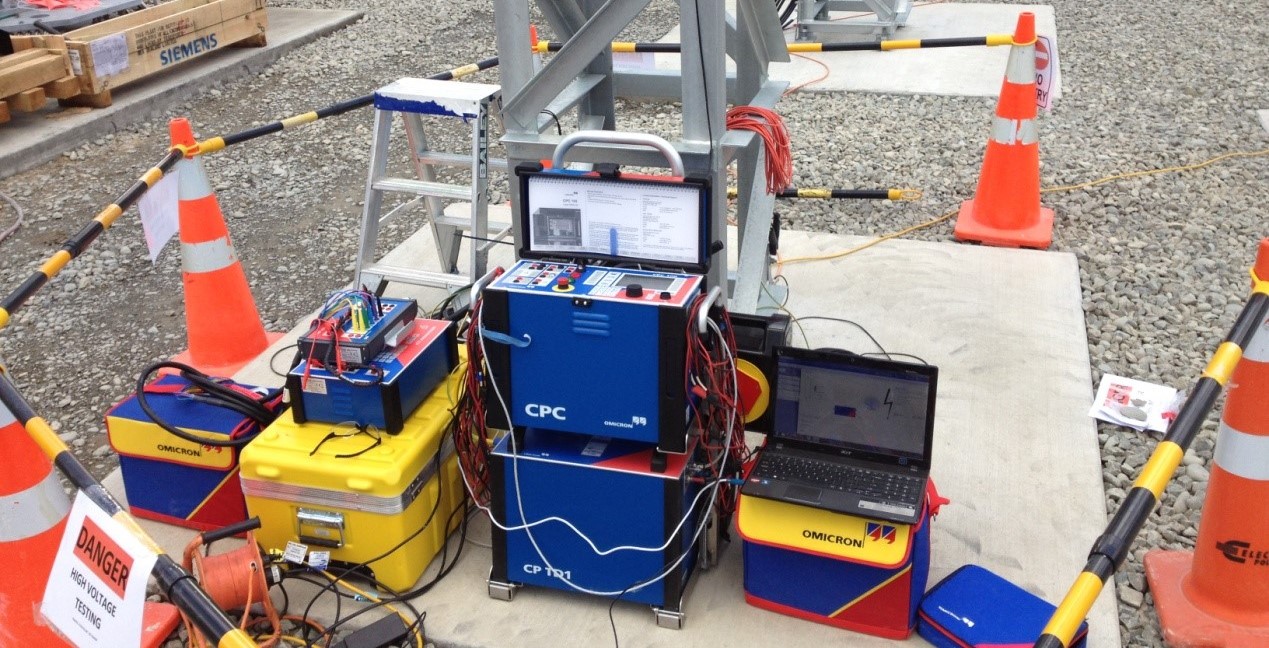
VLF testing (AC hi-pot) unlike DC hi pot testing is not destructive to good insulation and does not lead to premature failures. At Integral Power Services we perform VLF testing on XLPE insulated HV cables at frequency ranging from 0.0001 to 1 Hz but most widely used test frequency is 0.1 Hz. Proper test voltage and time duration is critical for the success of VLF test and if not done correctly risk of failure in service may increase.
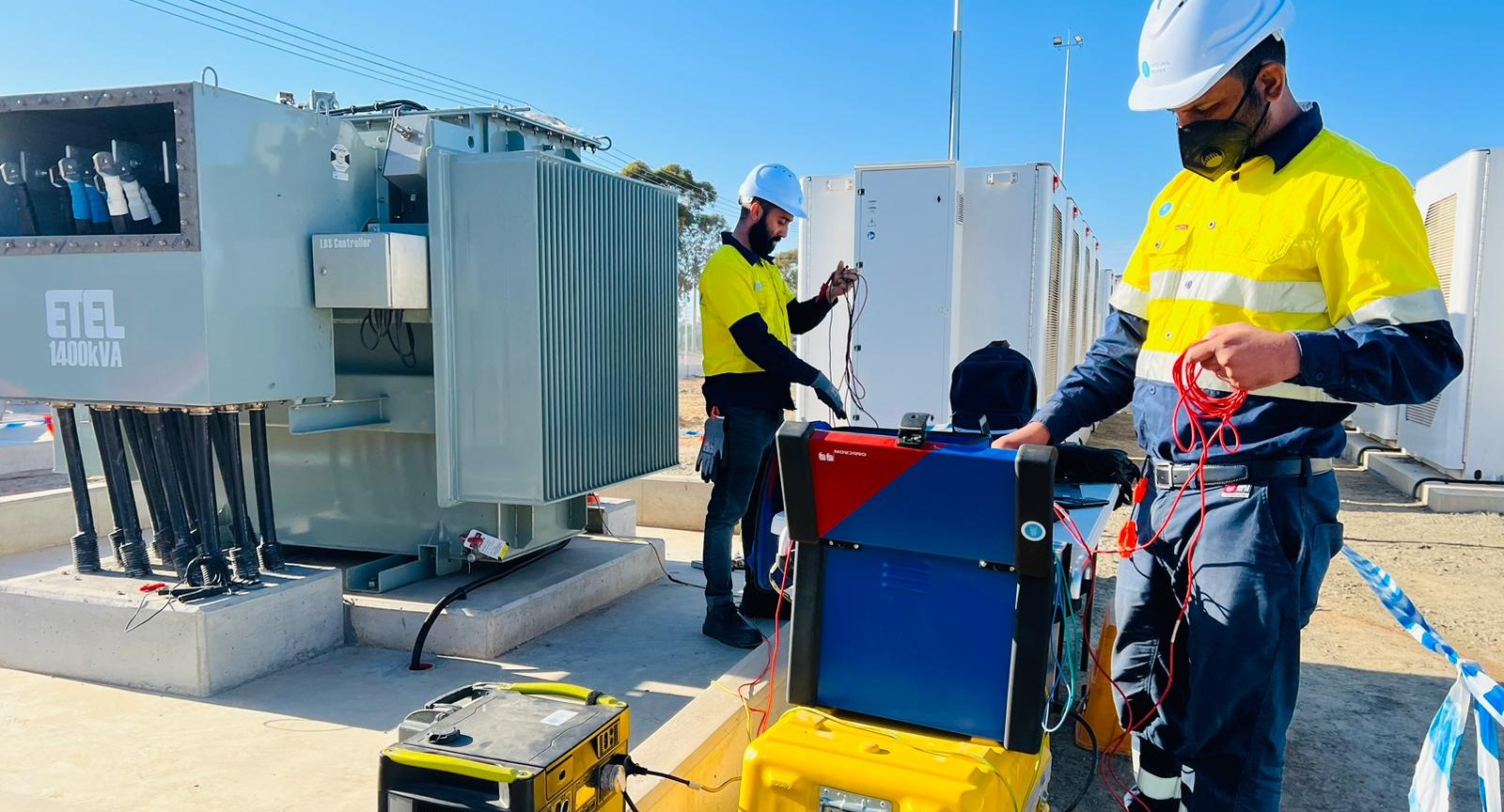
By having HV cables tested by our fully qualified and trained HV Engineers where you can be rest assured testing is done in accordance to set IEEE and IEC standards to eliminate risk of asset failure after service and with proper safety procedures.